Most Requested
Wilmington, DE & the Brandywine Valley
Precision Dog Mass & Tumor Removal in Wilmington, DE
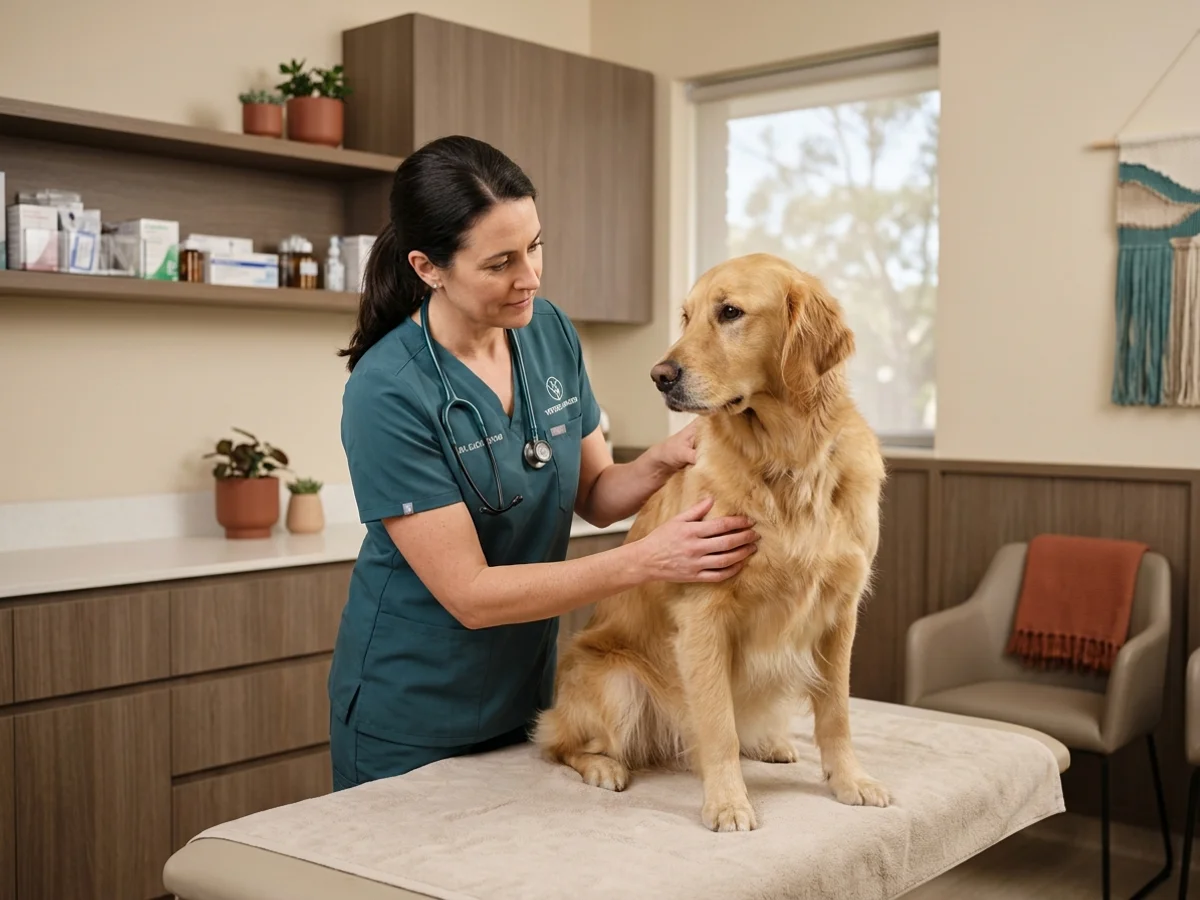
Precision surgical removal of lumps, skin masses, and lipomas with oncological margin planning and cosmetic skin-flap closures.
- 30-40% below referral hospitals
- Scheduled within days
- Full anesthetic monitoring
Starting Price
$450
Credential 01
4.9★ Google (150+ reviews)
Credential 02
Surgery Within Days
Credential 03
30-40% Below Referral Hospitals
Credential 04
Pre-Anesthetic Bloodwork & Full Monitoring
What is canine mass and tumor removal?
Mass and tumor removal is the most requested soft tissue surgery at Brandywine Valley Dog Surgery in Wilmington, DE. Across more than 2,000 canine surgeries performed, this procedure covers everything from a superficial sebaceous adenoma the size of a pea to a deep subcutaneous mass sitting against muscle.
The operation itself is straightforward. What separates a good outcome from a mediocre one is the thinking that happens before the first incision: what is this mass likely to be, how much margin does it need, and how do we close the resulting gap so it heals comfortably.
Types of canine masses we remove
Lipomas are benign fatty tumors, common in middle-aged and older dogs and especially in labradors and retrievers. Most are harmless. They earn removal when they grow large enough to interfere with a leg, sit where a harness or collar rubs, or when the infiltrative variety starts invading the tissue around it.
Mast cell tumors are the reason Brandywine Valley Dog Surgery takes margins seriously. They are the most common malignant skin tumor in dogs, they vary enormously in behaviour, and they can look deceptively ordinary. A mast cell tumor removed with inadequate margins comes back, which is why suspected MCTs get a wider excision and why histopathology matters.
Histiocytomas are benign, typically appear in young dogs, and often regress on their own. We will usually suggest watching one before reaching for a scalpel.
Sebaceous adenomas are the small, warty, benign growths that accumulate on older dogs. They need removal when they bleed, catch on things, or bother the dog.
| Mass type | Behaviour | When we remove it |
|---|---|---|
| Lipoma | Benign fatty tumor, common in middle-aged retrievers | Once it interferes with a leg, rubs under a harness, or turns out to be the infiltrative variety |
| Mast cell tumor | Malignant, highly variable, can look ordinary | Promptly, with wide margins and histopathology |
| Histiocytoma | Benign, typical of young dogs, often self-resolving | Usually watched first rather than excised |
| Sebaceous adenoma | Benign, warty, accumulates with age | When it bleeds, catches on things, or bothers the dog |
How Do We Plan Each Tumor Excision?
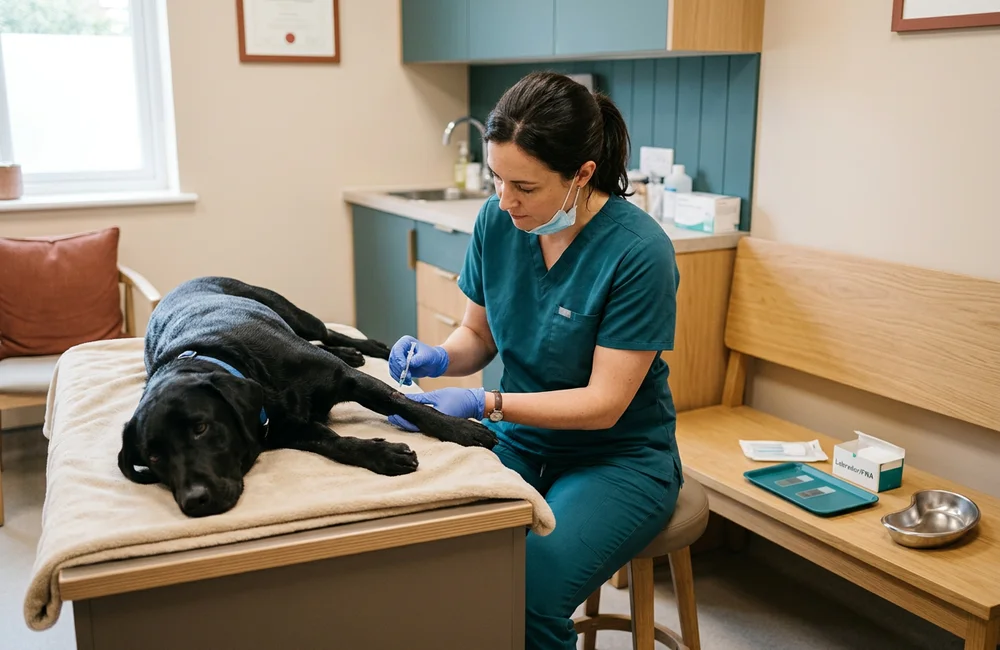
Where a mass could be malignant, a fine-needle aspirate taken in the consult room gives us a strong indication within minutes. It is not definitive, but it tells us whether we are planning a conservative excision or a wide one.
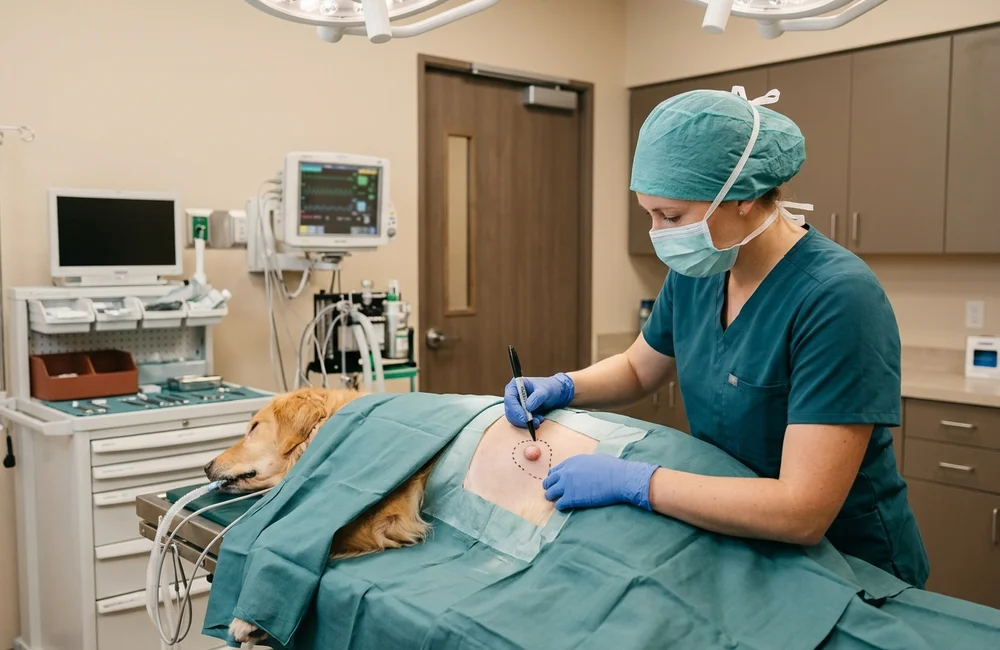
Oncological margin planning - a core veterinary oncology principle - means deciding, before we start, how much apparently normal tissue comes out around the mass and how deep the excision goes. Too little and a malignant tumor recurs. Too much and the closure becomes unnecessarily difficult on a leg or a face. Surgical margins are inked before the sample goes to the laboratory so the pathologist can tell us whether the tumor was fully removed.
Where the resulting defect is large, a local tissue flap lets us close under low tension. Low-tension closures heal faster, hurt less, and look better once the swelling settles. Electrocautery controls bleeding during the dissection, which keeps the surgical field clear and shortens the anesthetic time.
What Does Surgical Safety Include?
Every mass removal gets the full protocol
A $450 lump removal (2026 pricing) gets exactly the same pre-anesthetic blood screening and continuous monitoring as a $1,500 splenectomy. Safety is not a tier you upgrade to.
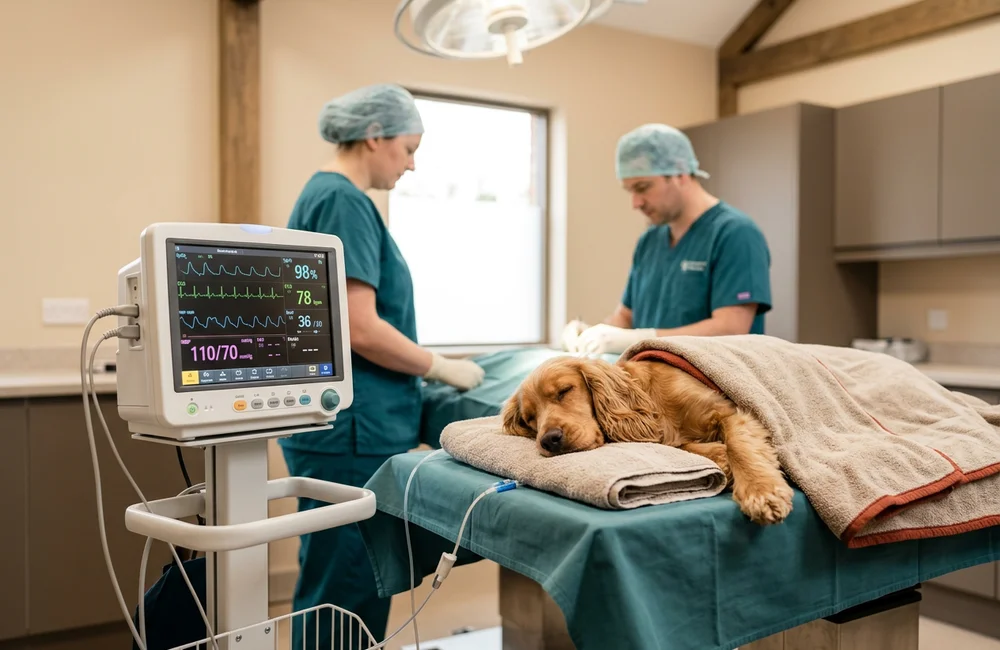
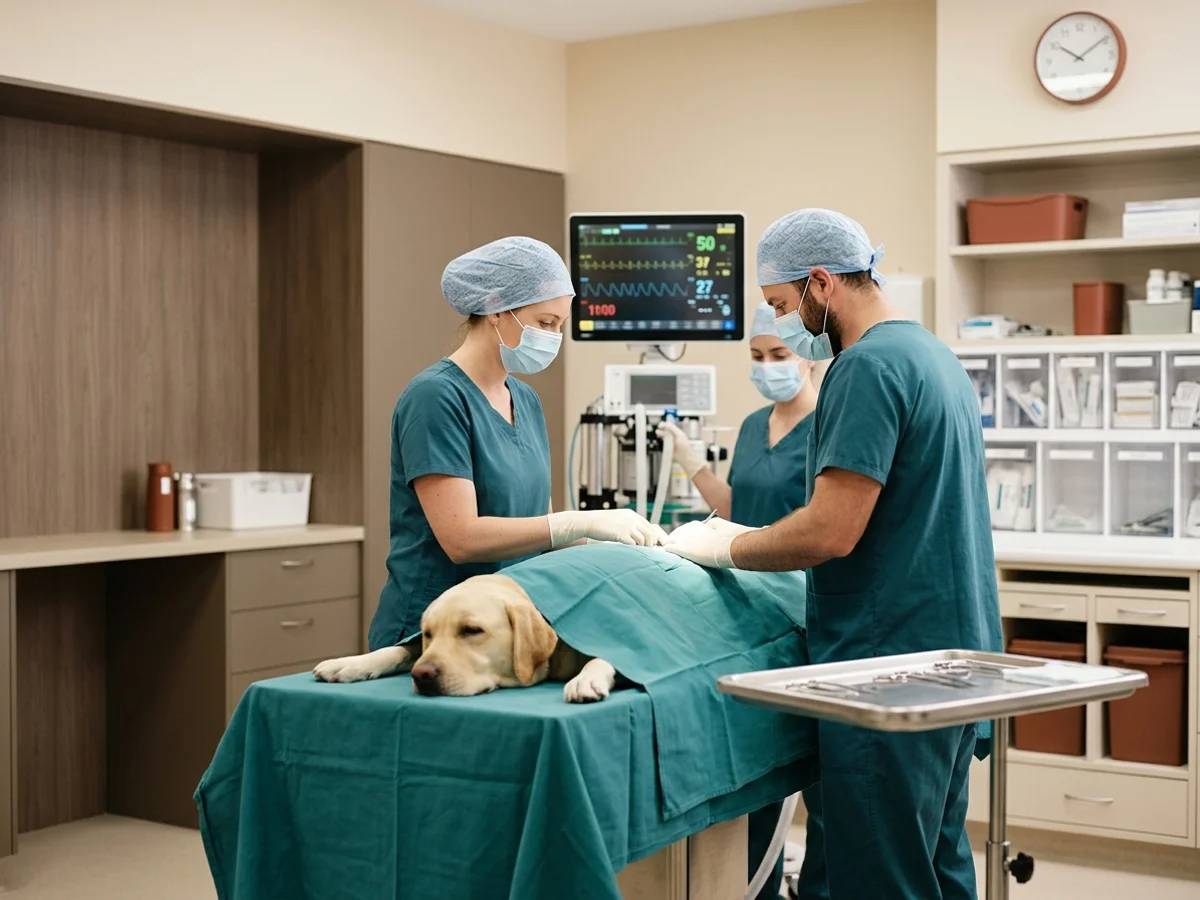
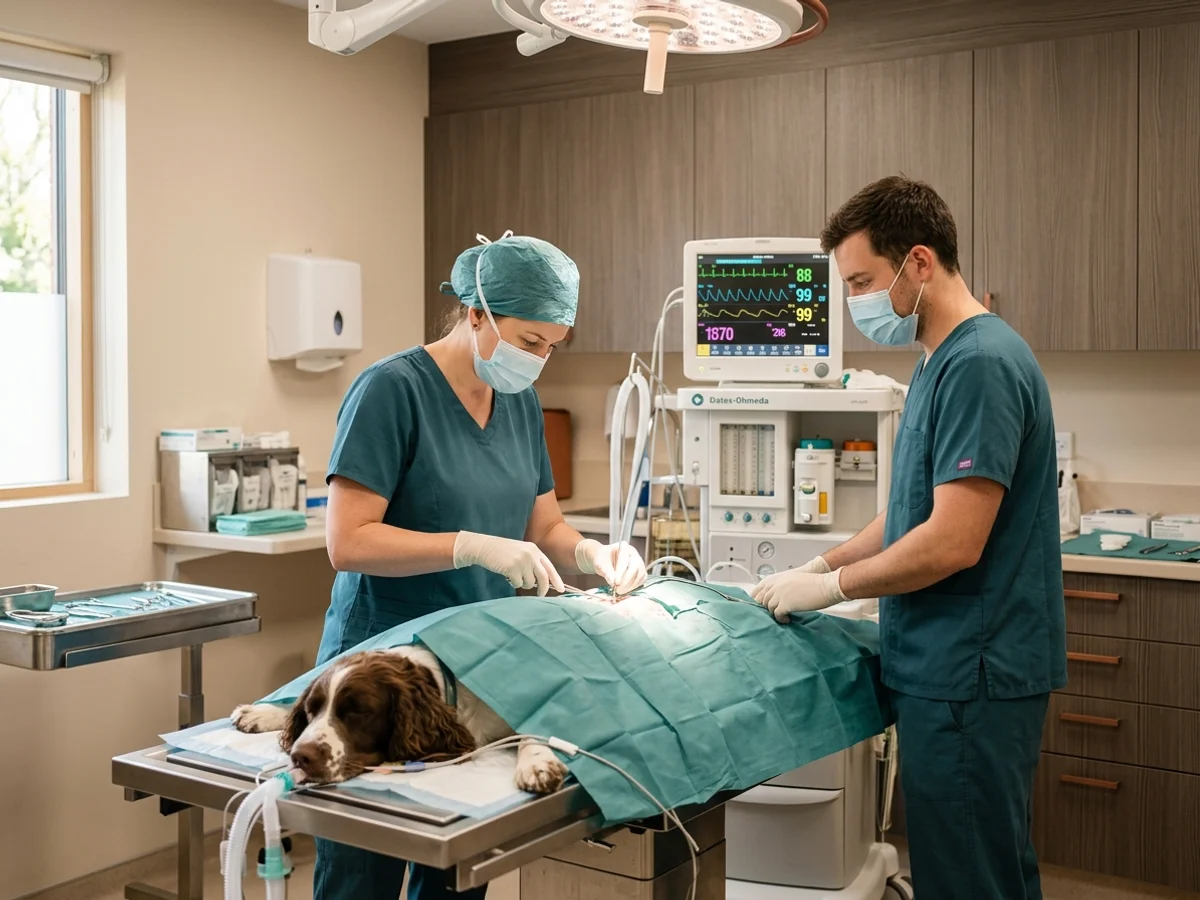
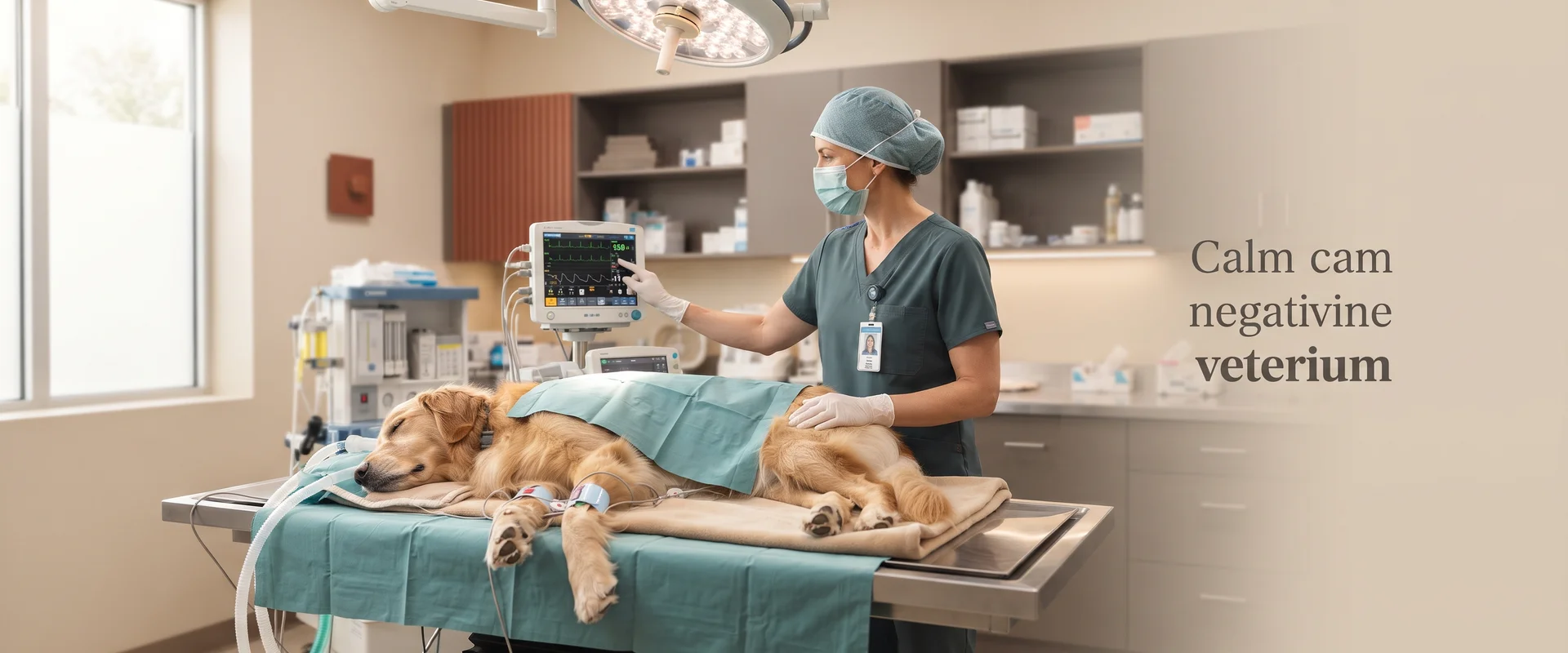
Before we confirm a surgical date, comprehensive blood screening checks liver and kidney function and packed cell volume. Those numbers shape the anesthetic protocol, which matters most in exactly the older dogs who get most of the lumps. During surgery, blood oxygen saturation, ECG rhythm, non-invasive blood pressure, and core temperature are monitored continuously.
How Our Pricing and Safety Compare
| Feature | Typical Referral Hospital | Brandywine Valley Dog Surgery |
|---|---|---|
| Mass removal starting cost | $900-$1,500+ | From $450 (2026 pricing) |
| Scheduling wait | 4-6 weeks | Within days |
| Pre-anesthetic bloodwork | Often billed separately | Included |
| Multi-parameter monitoring | Standard | SpO2, ECG, blood pressure, temperature |
| Closure method | Varies by surgeon | Cosmetic subcuticular on every case |
| Follow-up evaluation | Billed separately | Complimentary at 10-14 days |
What to Expect During Dog Mass Removal Recovery
Most dogs go home the same day, walking and alert, with home-recovery medications and a written discharge checklist.
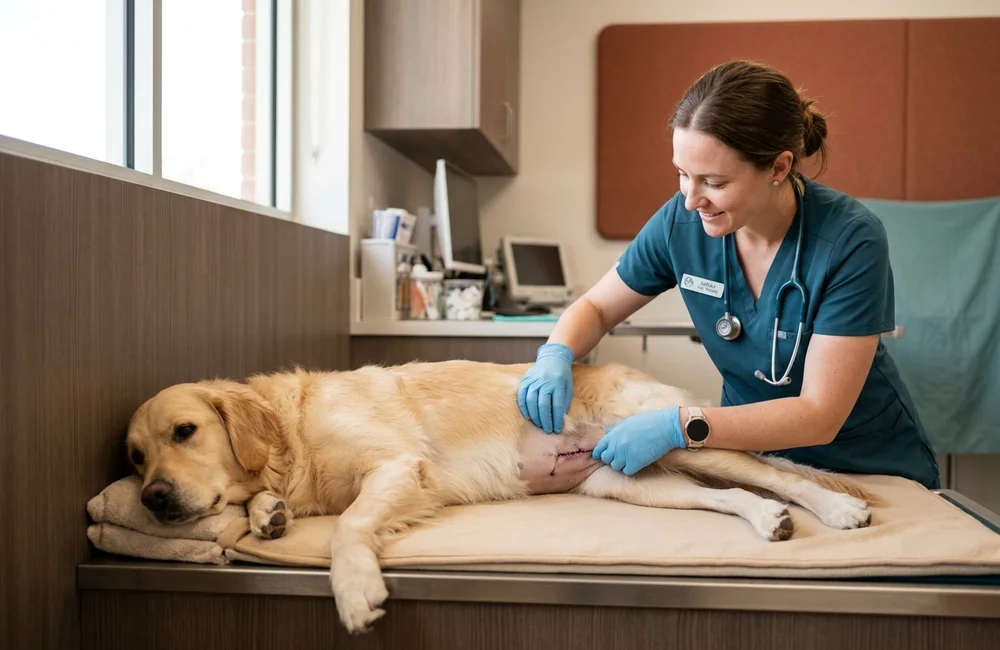
The first fortnight is about restraint. Lead walks only, no jumping, no rough play, no swimming, and a cone whenever your dog is unsupervised. Check the incision daily: a thin line with mild bruising is normal, while spreading redness, heat, discharge, or a gap needs a call. Post-op seroma prevention comes down to that same activity restriction, because the fluid pocket forms in a space that movement keeps open.
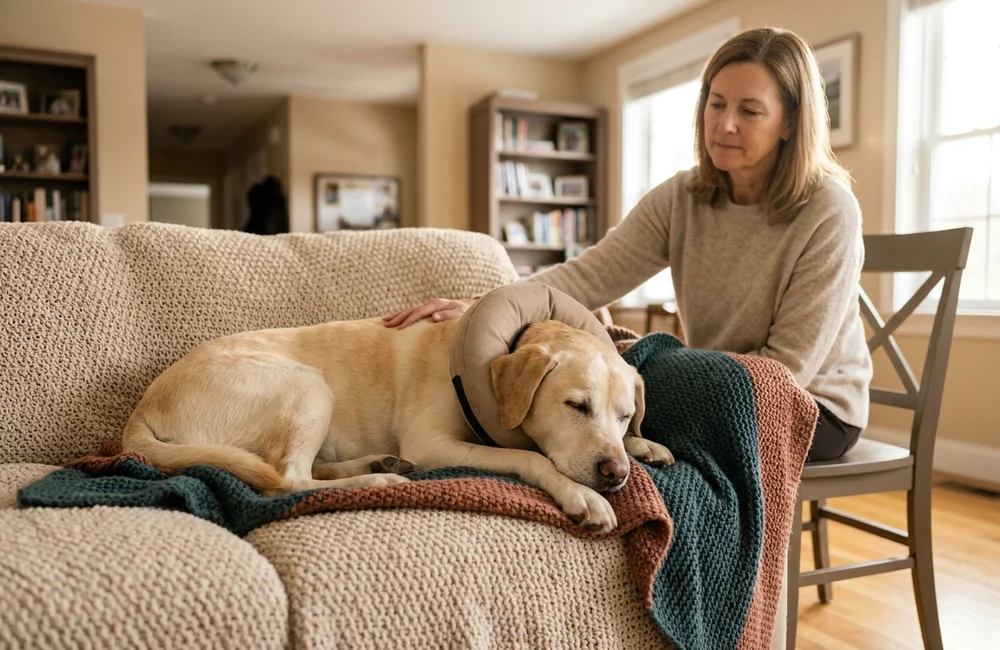
The complimentary healing evaluation happens at 10 to 14 days. We check the incision, discuss the histopathology result if you opted for it, and clear your dog to return to normal activity.
When Should You Book a Lump Removal Evaluation?
Book an evaluation if a lump is growing noticeably over weeks, feels firm or fixed rather than soft and mobile, has ulcerated or started bleeding, sits near a joint or an eye, or has simply changed. Dog owners across Brandywine Hundred, Greenville, Hockessin, and greater Wilmington bring their dogs to us because early removal is smaller surgery, cheaper surgery, and a better outcome - and if watching is the right answer, we will tell you that instead.
Price Ledger
How much does mass & tumor removal cost?
A single small skin mass sits at the bottom of the range. Deep, large, or multiple masses cost more, and histopathology is an optional add-on.
Starting From
$450
starting, varies by mass size, tissue depth, and optional histopathology
Included in the price
- Pre-anesthetic blood screening
- Anesthesia and continuous multi-parameter monitoring
- Excisional biopsy with inked surgical margins
- Cosmetic subcuticular closure
- Home-recovery medications and discharge checklist
- Complimentary 10-to-14 day healing evaluation
Quoted separately
- Histopathology laboratory analysis (optional, recommended)
- Advanced imaging where a mass is deep or invasive
- Additional masses removed in the same session
Nothing gets added to your bill without your approval first. Ask for the written estimate before you commit.
We accept cash, credit card, and CareCredit financing. If cost is the barrier to treating your dog, tell us when you request a booking.
Why Us For This Surgery
Why owners choose us for mass & tumor removal
01
Margins planned before the first incision
Removing a mass is easy. Removing it with the right margin so it does not come back is the part that takes planning, and it starts with knowing what the mass is likely to be.
02
Cosmetic closures, not staples
Subcuticular sutures sit under the skin. There is nothing for your dog to chew at, less fuss with the cone, and a neater result once the swelling settles.
03
Histopathology is your decision
We recommend it whenever malignancy is possible, we explain why, and we quote it separately. You are never billed for a lab test you did not agree to.
04
From $450 instead of a referral quote
The same excision performed in a corporate referral hospital routinely costs two to three times more. The surgical standard is identical; the overhead is not.
Procedure Ledger
How mass & tumor removal works
What happens from your first booking request through to your dog's follow-up evaluation.
Step 01
Evaluation and aspirate
We examine the mass, note its size, depth, and mobility, and where useful take a fine-needle aspirate to narrow down what we are dealing with before surgery.
Step 02
Margin planning
The surgical plan depends on whether the mass is likely benign or malignant. Suspected mast cell tumors need wider margins than a lipoma, and we plan the closure around that.
Step 03
Excision under full monitoring
Pre-anesthetic bloodwork guides the anesthetic protocol. During the excision your dog is monitored continuously for blood oxygen, ECG rhythm, blood pressure, and temperature.
Step 04
Cosmetic closure and recovery
We close with subcuticular sutures so there are no external staples to catch. Your dog goes home the same day with medications and a discharge checklist.
Need mass & tumor removal for your dog?
Send us the details and we will confirm honest pricing and the soonest surgical date, usually within days.
Deeper Reading
Mass & Tumor Removal guides
Plain-language answers to the questions owners ask before booking this surgery.
scenario
Dog Lipoma Removal: When Fatty Tumors Need Surgery
What lipomas are, when these fatty tumors impair a dog's movement, how removal works, and what recovery looks like.
Read guideprocess
Dog Mass Removal Recovery and Incision Care
What to expect after your dog's mass removal: incision care, seroma prevention, activity limits, and the follow-up suture check.
Read guidecost
Dog Tumor Removal Cost in Delaware
Canine tumor removal prices in Delaware by mass size and depth, the histopathology add-on, and how a GP network saves you money.
Read guideconcern
Is My Dog's Lump Cancerous? Benign vs Malignant Masses
How to tell if your dog's lump is benign or malignant, common tumor types, and why FNA and histopathology matter before surgery.
Read guidecomparison
Surgical Excision vs Laser Removal for Dog Masses
Scalpel vs laser for canine mass removal: bleeding control, margins, and when each approach is appropriate for your dog.
Read guidedefinition
What Is Canine Mass & Tumor Removal Surgery?
Learn what canine mass and tumor removal surgery involves: excision vs biopsy, margin planning, and when a dog's lump should be removed.
Read guidequalifier
When Does a Dog Lump Need Surgical Removal?
Growth rate, location, ulceration, and function: the signs that mean your dog's lump should be surgically removed now.
Read guideFrom the Practice Journal
Real mass & tumor removal cases and safety standards
Case write-ups and practice updates covering what owners most often want reassurance about.
Owner Ledger
What owners say about our mass & tumor removal
Rated 4.9 across 150+ reviews from dog owners across the Brandywine Valley.
Review 01
“The lipoma on our spaniel was finally big enough to slow her down. The removal was clean, the cosmetic closure healed beautifully, and the follow-up evaluation was included.”
Patricia L.
Newtown Square, PA
Review 02
“Our senior shepherd needed a mass removed near her shoulder. They explained the margin planning in plain English and the incision healed beautifully.”
Renee S.
Hockessin, DE
Review 03
“Three lumps, one anesthetic, one honest price. Nobody tried to sell us anything extra and the histopathology came back exactly when they said it would.”
Colin B.
Greenville, DE
Service FAQ
Mass & Tumor Removal questions
01How much does dog mass removal cost in Wilmington, DE?
Mass removal starts at $450. That figure covers pre-anesthetic blood screening, anesthesia, continuous vital-sign monitoring, the excision itself, a cosmetic subcuticular closure, home-recovery medications, and the complimentary 10-to-14 day healing evaluation. What moves the price is size, depth, and number: a small superficial skin mass sits near the bottom, while a large deep subcutaneous mass or several masses in one session cost more. Histopathology is quoted separately because it is your decision, and we will tell you honestly when we think it is worth doing.
02Is my dog's lump cancerous?
Nobody can tell by looking, including us. Benign lipomas, histiocytomas, and sebaceous adenomas can look identical to a mast cell tumor from the outside. A fine-needle aspirate gives a strong indication in minutes, and histopathology after removal confirms it. What raises concern is rapid growth, firmness, ulceration, bleeding, or a mass that is fixed to the tissue underneath rather than moving freely.
03Does every lump need to come off?
No. A small, stable, confirmed-benign lump on an older dog can reasonably be monitored. We recommend removal when a mass is growing, changing in texture, interfering with movement, sitting somewhere that will make later surgery harder, ulcerating, or when we cannot confidently say it is benign.
04How long does mass removal surgery take?
A single straightforward skin mass is usually under an hour of surgical time, though your dog will be with us for most of the day for admission, pre-anesthetic checks, and supervised recovery. Larger, deeper, or multiple masses take longer.
05Will my dog need a cone?
Usually yes, for about two weeks. Cosmetic subcuticular closures give dogs much less to chew at than external staples, but a determined licker can still open an incision, and a seroma or an infection is a far bigger problem than a fortnight of inconvenience.
06What is a seroma and how do you prevent one?
A seroma is a soft fluid pocket that forms in the space left behind after a mass is removed. It is usually harmless and resolves on its own, but it worries owners. We reduce the risk with careful closure of the dead space and by restricting activity for the first two weeks. If one forms, let us know at the follow-up evaluation.
07When can my dog run and play again?
Keep activity restricted for roughly two weeks, until the incision is checked and cleared at the follow-up evaluation. Lead walks only, no jumping, no rough play, and no swimming. Bursting an incision on day nine is one of the few genuinely avoidable complications.
08Do you remove lipomas that are not causing problems?
We will if you want them gone, but we will also tell you honestly when watching is reasonable. Lipomas earn removal when they grow large enough to interfere with a leg, sit where a harness rubs, change in character, or when there is any doubt that they are truly benign. Infiltrative lipomas invade surrounding tissue and do need surgery.
09What is the prognosis after dog tumor removal surgery?
Prognosis depends on the tumor type and whether surgical margins are clear. Benign masses like lipomas, histiocytomas, and sebaceous adenomas rarely recur after complete excision. For malignant tumors such as mast cell tumors, clean margins confirmed by histopathology give the best long-term outcome, which is why we plan margins before the first incision and recommend lab analysis whenever malignancy is possible.
Still have questions about your dog?
Send us the details and we will come back with a straight answer, an honest price, and the soonest surgical date we can offer.
Request Surgery BookingCross Reference
Related surgeries
Urgent surgeries scheduled within days
Ready to book mass & tumor removal?
Honest pricing, full anesthetic monitoring, and a surgical date in days. Serving Wilmington DE, Newtown Square PA, and Newark DE.
- 30-40% below referral hospitals
- Scheduled in days, not weeks
- Full monitoring on every case