Scheduled Within Days
Wilmington, DE & the Brandywine Valley
Dog Bladder Stone Surgery (Cystotomy) in Wilmington, DE
Surgical removal of painful bladder stones (uroliths) with sterile flushing to prevent recurrence.
- 30-40% below referral hospitals
- Scheduled within days
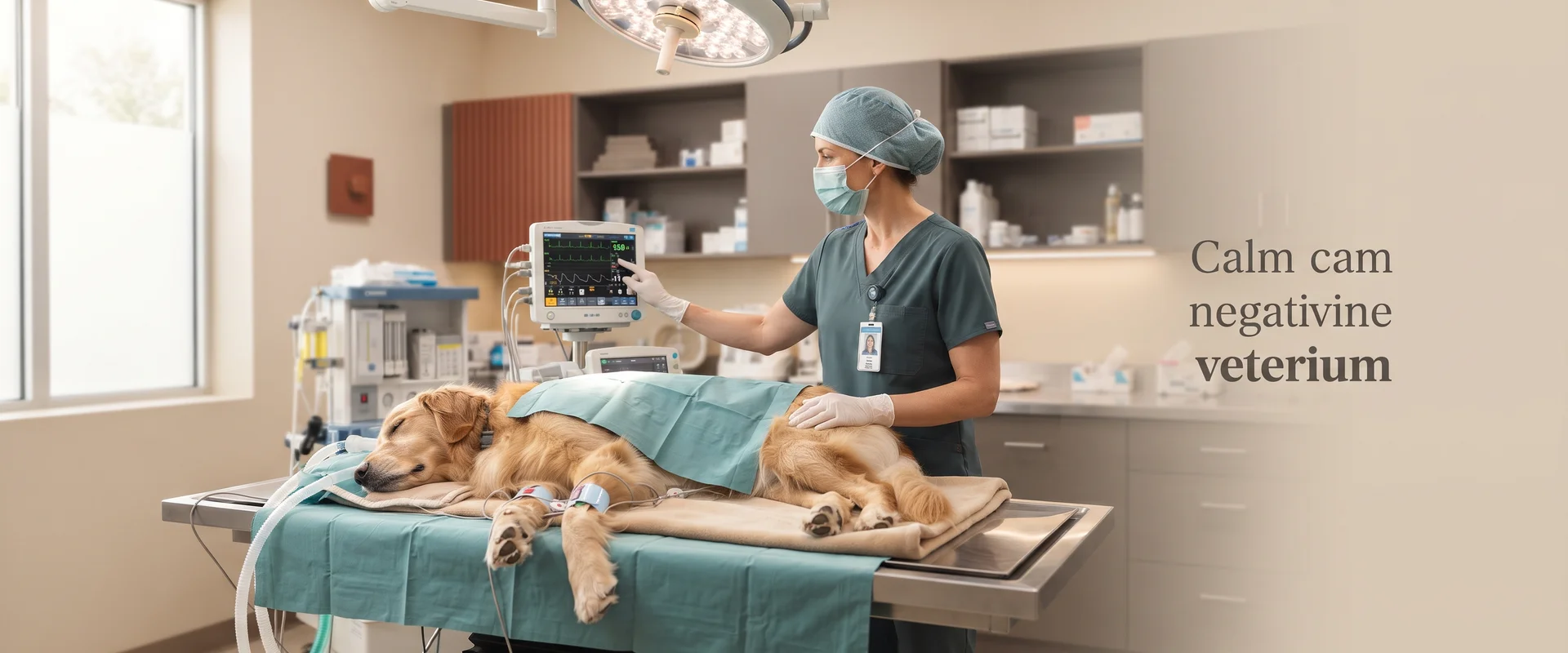
- Full anesthetic monitoring
Starting Price
$950
Credential 01
4.9★ Google (150+ reviews)
Credential 02
Surgery Within Days
Credential 03
30-40% Below Referral Hospitals
Credential 04
Pre-Anesthetic Bloodwork & Full Monitoring
What is a canine cystotomy?
A cystotomy is a surgical incision into the urinary bladder. At Brandywine Valley Dog Surgery in Wilmington, DE, our veterinary surgeons perform this procedure to retrieve uroliths - bladder stones - that have formed in the urine and grind against the bladder wall every time your dog moves.
Urolithiasis is painful in a way that dogs hide well. Stones often develop alongside a urinary tract infection (UTI), compounding the discomfort. The signs owners notice first are usually behavioral: straining in the yard for longer than usual, asking to go out more often, having accidents indoors after years of not doing so, or blood-tinged urine on the paving.
How do you know your dog has bladder stones?
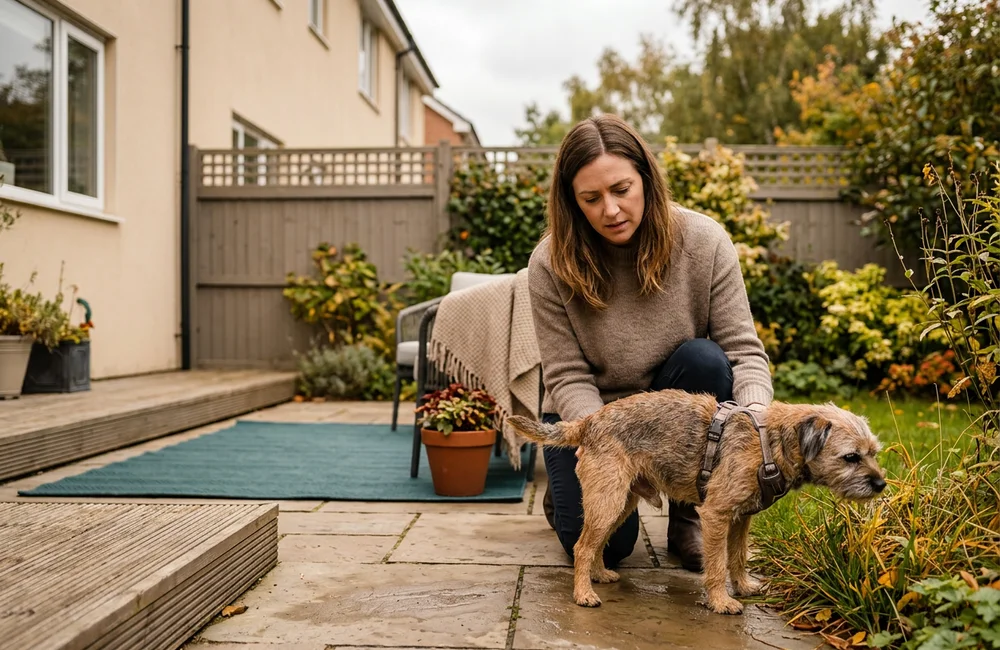
- Straining to urinate, or taking much longer than normal
- Frequent small urinations rather than one normal-volume one
- Blood in the urine, sometimes visible only on light-coloured ground
- Accidents indoors from a previously house-trained dog
- Licking at the genital area more than usual
- Discomfort or vocalising while urinating
Producing nothing at all is an emergency
A dog straining without passing any urine may have a complete urethral obstruction. That backs pressure into the kidneys and becomes life-threatening within about a day. Go to your nearest emergency hospital immediately.
Struvite vs calcium oxalate - why stone type matters
Two stone types account for most canine cases, and they behave completely differently.
| Struvite | Calcium oxalate | |
|---|---|---|
| Common cause | Usually secondary to a urinary tract infection | Metabolic; more common in certain breeds |
| Dissolves with diet? | Often yes, over several weeks | No - surgery is required |
| Prevention | Treat infection, therapeutic diet | Urine-diluting diet, high water intake |
| Typical patients | More often female dogs | More often male dogs, small breeds |
This is why we send removed stones for stone analysis. The surgery solves today’s problem; the analysis is what stops the same surgery happening again in eighteen months.
What happens during bladder stone surgery?
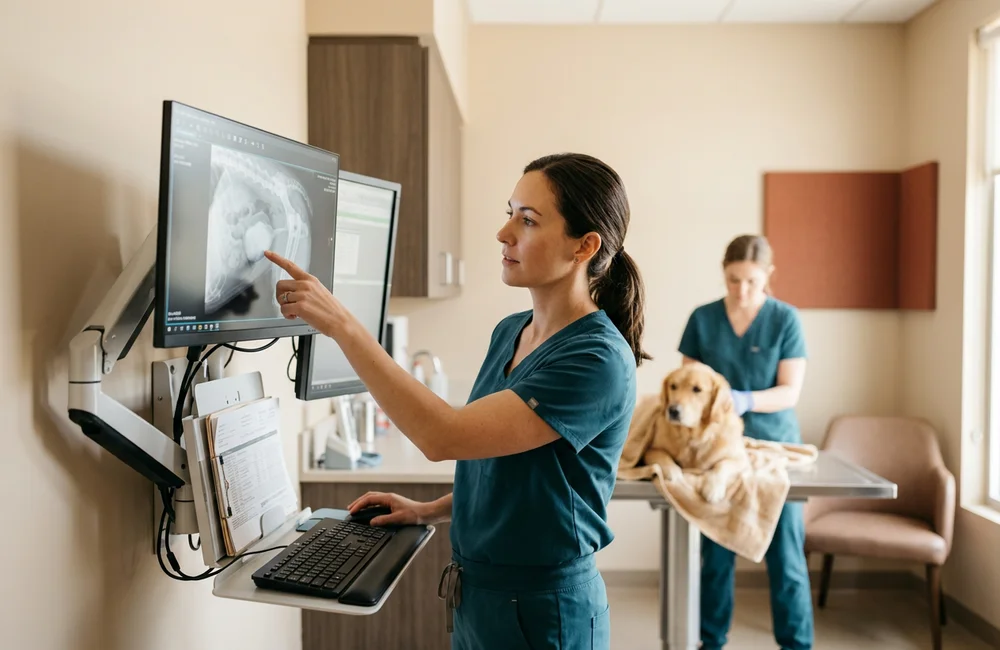
Urinalysis and culture come first, to identify infection and crystal type. Abdominal radiographs (X-rays) or ultrasound confirm how many stones there are and where they sit. Pre-anesthetic blood screening pays particular attention to kidney values, because a partially obstructed dog can arrive with elevated numbers that change the anesthetic plan.
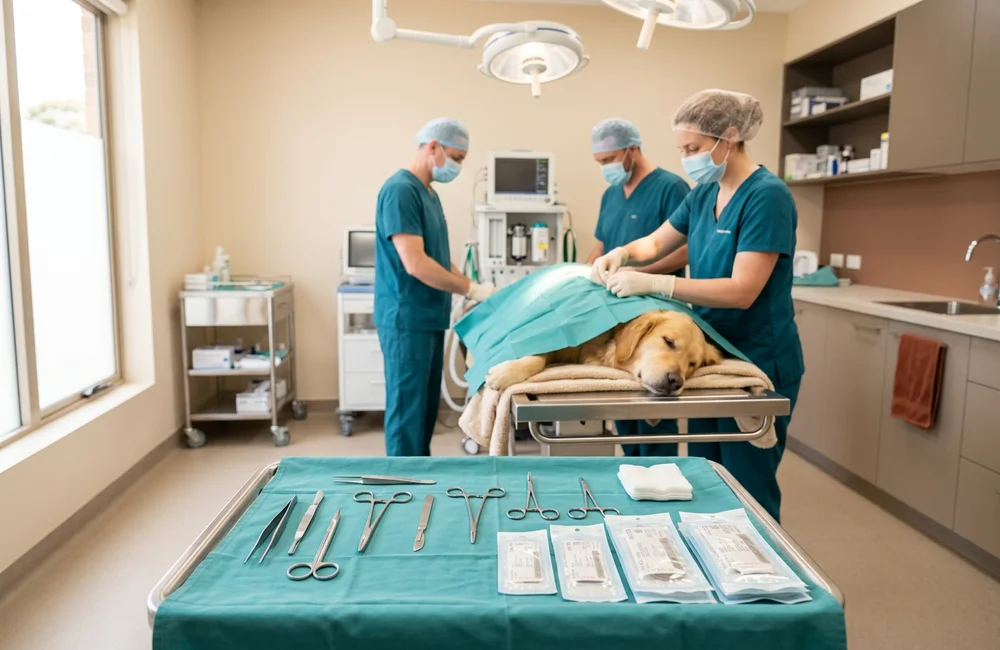
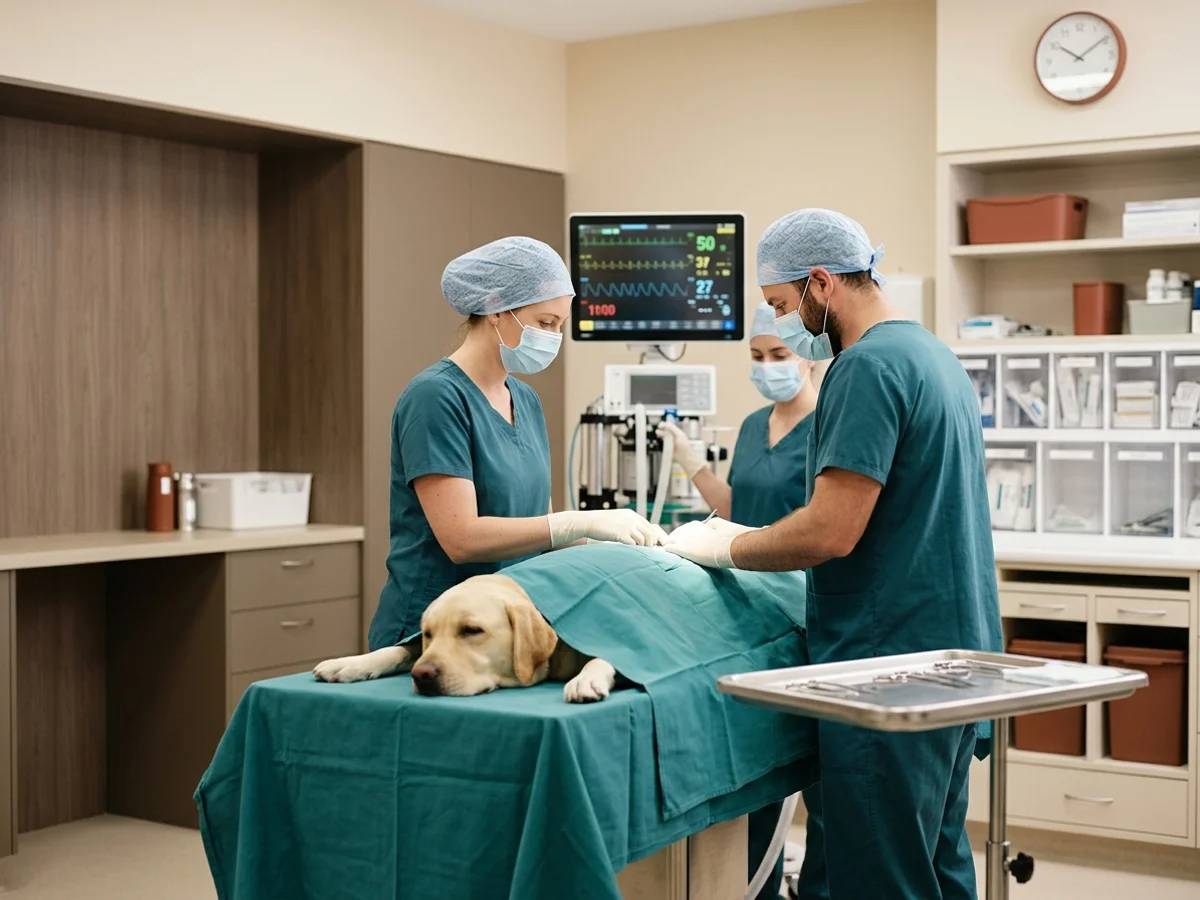
The cystotomy incision is made through the abdominal midline and then into the bladder itself, in the least vascular area. We retrieve every stone we can see and then run a catheter to perform retrograde urethral hydropropulsion - flushing sterile fluid backwards up the urethra to push any small fragment sitting there back into the bladder where it can be removed. Skipping that step is the single most common reason a dog is back in surgery within months.
Bladder mucosal closure is done with fine absorbable suture - Monocryl or PDS - in a pattern that keeps knots out of the bladder lumen, because exposed suture material inside the bladder becomes a nucleus for a new stone.
What does cystotomy recovery look like?
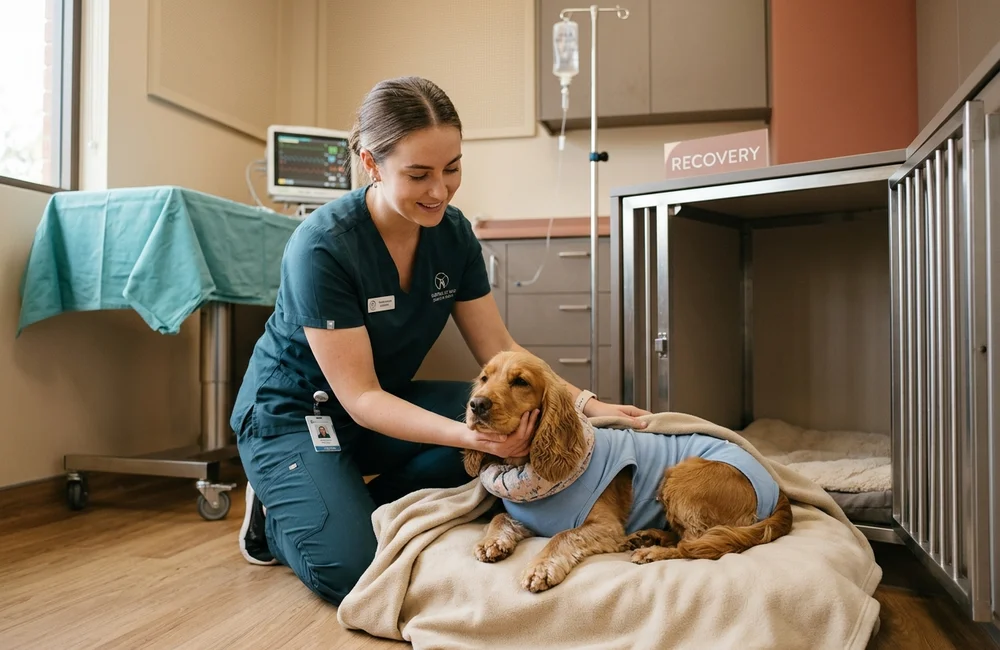
Post-op hematuria management is mostly reassurance: blood-tinged urine for three to five days is normal and should lighten daily. Heavy bleeding, clots, or an inability to urinate needs an immediate call.
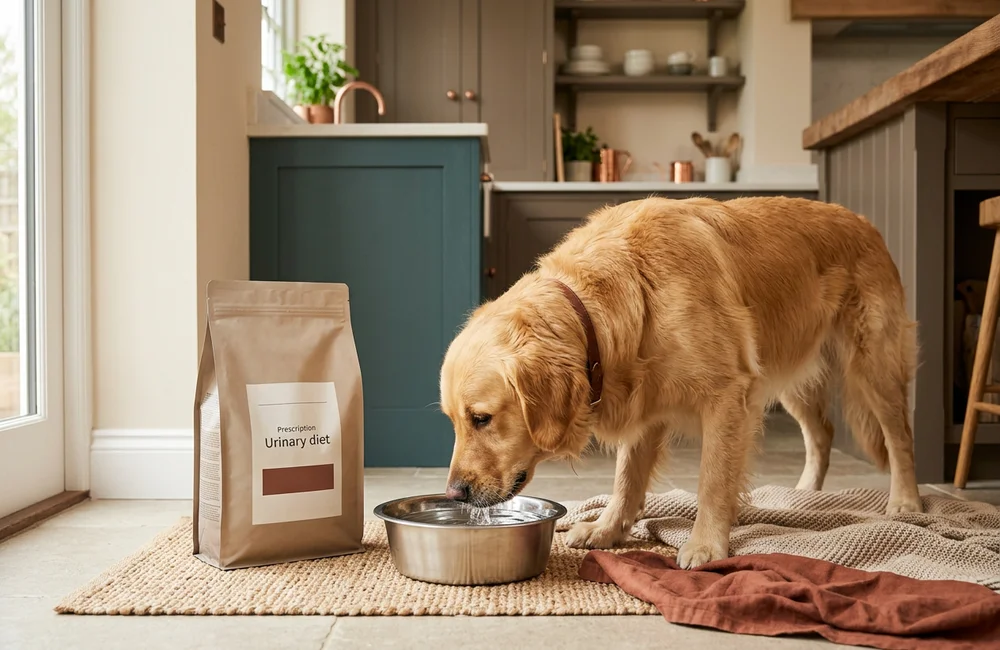
Long-term prevention rests on three things: a therapeutic prescription diet - typically a formulation from Hill’s, Royal Canin, or Purina - matched to the stone analysis, generous water intake, and periodic urinalysis to catch a returning UTI before it seeds new stones. Where there is any doubt about clearance, a post-op cystogram confirms the bladder is empty.
How does our pricing compare?
| Feature | Typical Referral Hospital | Brandywine Valley Dog Surgery |
|---|---|---|
| Cystotomy starting price | $3,000+ | $950 (2026 pricing) |
| Wait time | 4-6 weeks | Within days |
| Pre-anesthetic bloodwork | Sometimes extra | Included |
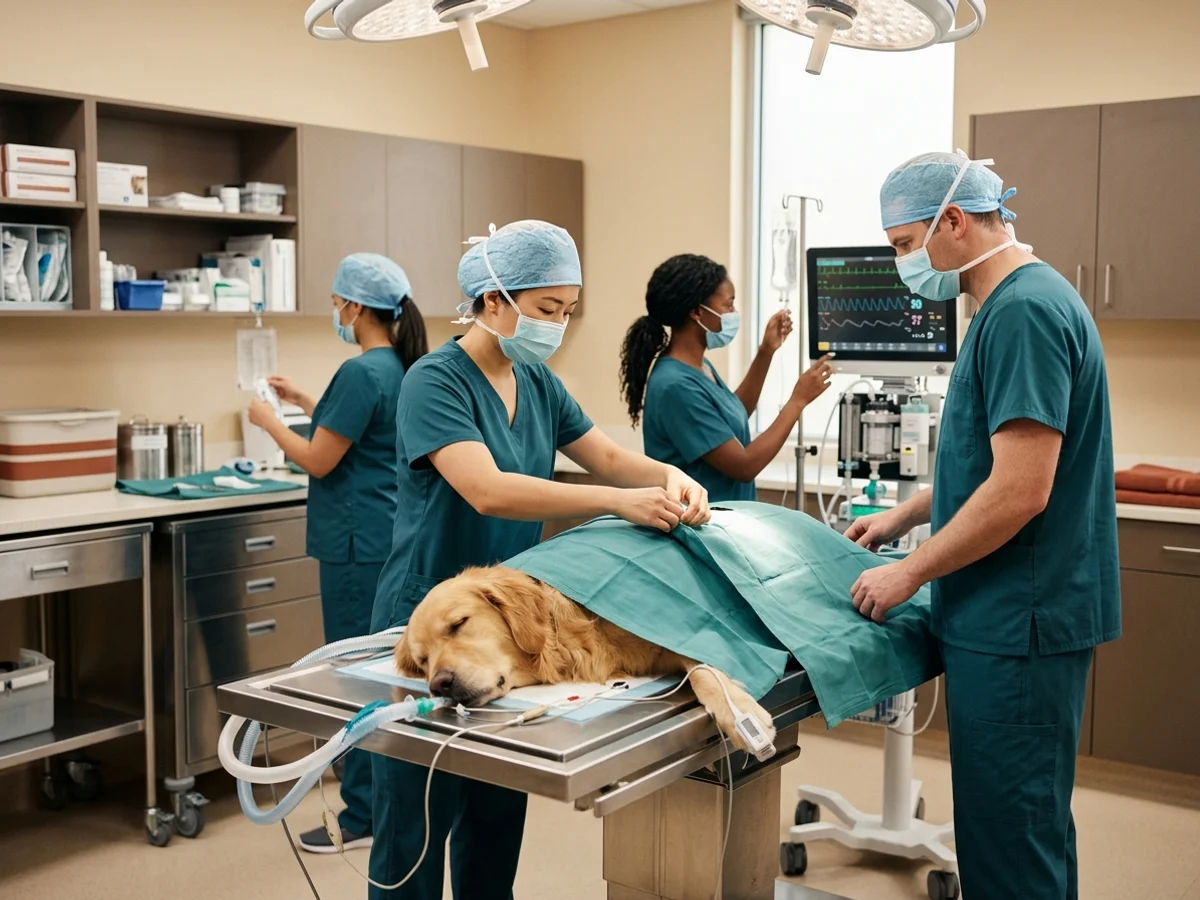
| Continuous vital monitoring | Varies | SpO2, ECG, BP, temp on every case |
| Retrograde urethral flushing | Often skipped | Standard protocol |
| Follow-up evaluation | Additional fee | Complimentary at 10-14 days |
When is a non-stone cystotomy needed?
The same approach handles traumatic bladder tears after a road accident, deep tissue biopsies of the bladder wall, and excision of benign bladder-wall masses. These start at $900 (2026 pricing) and carry the same monitoring protocol. Dog owners from Brandywine Hundred, Greenville, Hockessin, and across New Castle County rely on the Brandywine Valley team for both stone and non-stone cystotomies. For a full price walkthrough see our dog bladder stone surgery cost guide for Wilmington.
Price Ledger
How much does bladder stone surgery cost?
The starting package covers a standard urolith extraction. Stone analysis, prescription diets, and follow-up imaging are quoted separately.
Starting From
$950
starting urolith extraction package (non-stone cystotomy from $900)
Included in the price
- Pre-anesthetic blood screening and urinalysis
- Anesthesia with continuous multi-parameter monitoring
- Cystotomy with careful bladder mucosal closure
- Retrograde urethral hydropropulsion to clear the tract
- Home-recovery medications and discharge checklist
- Complimentary 10-to-14 day healing evaluation
Quoted separately
- Stone analysis at an external laboratory
- Prescription urinary diet
- Follow-up cystogram or repeat imaging
Nothing gets added to your bill without your approval first. Ask for the written estimate before you commit.
We accept cash, credit card, and CareCredit financing. If cost is the barrier to treating your dog, tell us when you request a booking.
Free Tool
Try our Dog Surgery Cost Estimator
Estimate the cost of your dog's surgery and see how much you could save versus a corporate referral hospital.
Why Us For This Surgery
Why owners choose us for bladder stone surgery
01
We flush the tract, not just the bladder
Leaving a single fragment in the urethra is the fastest route back to surgery. Retrograde hydropropulsion is part of the standard package, not an extra.
02
Stone analysis drives the prevention plan
Struvite and calcium oxalate need completely different diets. Analysing what came out is how the second surgery gets avoided.
03
From $950 against $3,000+ quotes
Owners regularly arrive with a referral quote north of $3,000 for this exact procedure. The surgical standard is the same. The overhead is not.
04
Non-stone cystotomy handled too
Traumatic bladder tears, deep tissue biopsies, and benign bladder-wall masses are covered under the same service, from $900.
Procedure Ledger
How bladder stone surgery works
What happens from your first booking request through to your dog's follow-up evaluation.
Step 01
Diagnosis
Urinalysis and culture identify infection and crystal type. Radiographs or ultrasound confirm the number, size, and position of the stones.
Step 02
Pre-anesthetic screening
Blood screening checks kidney function in particular, because a partially obstructed dog can have elevated values that change the anesthetic plan.
Step 03
Cystotomy and flushing
We open the bladder, retrieve every stone, then perform retrograde urethral hydropropulsion to flush any fragment sitting in the urethra back into the bladder before closing.
Step 04
Recovery and prevention
Mild blood-tinged urine is expected for a few days. Stone analysis guides the prescription diet that keeps new stones from forming.
Need bladder stone surgery for your dog?
Send us the details and we will confirm honest pricing and the soonest surgical date, usually within days.
Deeper Reading
Bladder Stone Surgery guides
Plain-language answers to the questions owners ask before booking this surgery.
process
Dog Bladder Stone Surgery Recovery and Prevention
What to expect after your dog's cystotomy: post-op hematuria, catheter care, diet, and the follow-up cystogram to prevent recurrence.
Read guidecost
Dog Bladder Stone Surgery Cost in Wilmington, DE
Full cystotomy walkthrough, honest Wilmington DE cost guide, post-op recovery, FAQ, and booking. Save 30-40% vs referral hospitals.
Read guideconcern
Signs Your Dog Has Bladder Stones
Straining, blood in urine, frequent urination, and accidents: the signs your dog may have bladder stones and when it's urgent.
Read guidescenario
Struvite vs Calcium Oxalate Stones in Dogs
The difference between struvite and calcium oxalate bladder stones in dogs: dissolution vs surgery, diet, and prevention.
Read guidedefinition
What Is Canine Cystotomy (Bladder Stone Surgery)?
How canine cystotomy works: the bladder incision, stone retrieval, mucosal closure, and steps taken to prevent recurrence.
Read guideFrom the Practice Journal
Real bladder stone surgery cases and safety standards
Case write-ups and practice updates covering what owners most often want reassurance about.
Owner Ledger
What owners say about our bladder stone surgery
Rated 4.9 across 150+ reviews from dog owners across the Brandywine Valley.
Review 01
“A referral hospital quoted us over $3,000 for our dog's bladder stone surgery. Brandywine Valley did the cystotomy for a fraction of that, and the flushing means the stones shouldn't come back.”
David K.
Newark, DE
Review 02
“Our terrier had been straining for days. They got us in fast, explained the stone type afterwards, and put her on the right diet. No recurrence since.”
Helen W.
Brandywine Hundred, DE
Review 03
“Straightforward pricing and a clear explanation of why the flushing step matters. Our dog was home the same evening and back to normal in two weeks.”
Tomas R.
Media, PA
Service FAQ
Bladder Stone Surgery questions
01How much does dog bladder stone surgery cost in Wilmington?
Our urolith extraction package starts at $950, which includes pre-anesthetic blood screening, urinalysis, anesthesia with continuous monitoring, the cystotomy itself, retrograde urethral hydropropulsion, medications, and the follow-up healing evaluation. Corporate referral hospitals in this region routinely quote $3,000 or more for the same operation. Stone analysis and the prescription diet that follows are quoted separately because they depend on what we find.
02Is straining to urinate an emergency?
If your dog is straining but still producing urine, contact us the same day. If your dog is straining and producing nothing at all, that is a genuine emergency. A complete urethral obstruction backs pressure up into the kidneys and becomes life-threatening within a day. Go to the nearest emergency hospital immediately for decompression, then contact us about the surgery.
03Can bladder stones dissolve without surgery?
Some can. Struvite stones frequently dissolve with a dedicated therapeutic diet and treatment of the underlying urinary infection, over a period of weeks. Calcium oxalate stones do not dissolve at all and require surgical removal. This is exactly why identifying the stone type matters, and why we send removed stones for analysis.
04Will the stones come back after surgery?
Recurrence is a real risk, and it is the thing we work hardest to prevent. Three measures make the difference: retrieving every stone including fragments in the urethra, analysing the stones so the right preventive diet can be prescribed, and keeping your dog well hydrated afterwards. Dogs whose owners follow the diet and encourage water intake have a far lower recurrence rate.
05Is blood in my dog's urine normal after a cystotomy?
Mild, gradually decreasing blood-tinged urine is expected for the first three to five days after bladder surgery. It should get lighter each day, not heavier. Heavy fresh bleeding, clots, straining without producing urine, or an inability to urinate at all needs an immediate call.
06How long is recovery from bladder stone surgery?
Most dogs are comfortable within a couple of days and fully recovered in one to two weeks. Activity is restricted for the full fortnight while the bladder wall and abdominal incision heal, and the complimentary healing evaluation at 10 to 14 days confirms everything has closed properly.
07What is a non-stone cystotomy?
The same surgical approach used for a different reason: repairing a traumatic bladder tear, retrieving a deep tissue biopsy from the bladder wall, or excising a benign bladder-wall mass. These procedures start at $900 and use the identical safety and monitoring protocol.
08How soon can you schedule the surgery?
Within days. Bladder stones are painful and can progress to a complete obstruction, so we do not treat them as routine elective work. Where a dog is partially obstructed, we schedule same or next day.
09What is the success rate of bladder stone surgery in dogs?
Cystotomy has a high success rate when performed by experienced veterinary surgeons with proper technique. The most common cause of repeat surgery is a stone fragment left in the urethra, which is why our standard protocol includes retrograde urethral hydropropulsion to flush the entire tract before closure. Combined with post-op stone analysis and the correct therapeutic prescription diet, the recurrence rate drops significantly.
10Is bladder stone surgery risky for dogs?
Every procedure under general anesthesia carries some risk, which is why we include pre-anesthetic blood screening and continuous multi-parameter monitoring (SpO2, ECG, blood pressure, core temperature) on every case. Healthy dogs tolerate cystotomy well and are typically comfortable within a couple of days. Dogs with elevated kidney values from a partial obstruction receive an adjusted anesthetic plan to reduce risk further.
Still have questions about your dog?
Send us the details and we will come back with a straight answer, an honest price, and the soonest surgical date we can offer.
Request Surgery BookingCross Reference
Related surgeries
Urgent surgeries scheduled within days
Ready to book bladder stone surgery?
Honest pricing, full anesthetic monitoring, and a surgical date in days. Serving Wilmington DE, Newtown Square PA, and Newark DE.
- 30-40% below referral hospitals
- Scheduled in days, not weeks
- Full monitoring on every case