Common Questions
Dog surgery FAQs
Real questions from dog owners across the Brandywine Valley — about pricing, scheduling, safety protocols, and what to expect on the day of surgery and after.
General
General questions
About our network, pricing, scheduling, and how we work across the Brandywine Valley.
Common Questions
Frequently Asked Questions
01How can your prices be 30-40% lower than referral hospitals?
Our regional network uses experienced general-practice veterinary surgeons who maintain lower overhead than corporate-owned emergency and referral hospitals, and we pass those savings directly to dog owners. The same premium safety protocols are included.
02How quickly can my dog's surgery be scheduled?
Because we coordinate with a vetted network of canine surgical providers across the Brandywine Valley, we can bypass the typical 4-to-6 week waits at large institutions and schedule urgent surgeries within days. Booking requests are accepted online 24/7.
03What safety protocols are included with every surgery?
Every surgery includes comprehensive pre-anesthetic blood screening, continuous multi-parameter vital-sign monitoring (SpO2, ECG, blood pressure, core temperature), localized nerve blocks, and a complimentary follow-up suture evaluation.
04Which areas do you serve?
We serve Wilmington DE (including Brandywine Hundred, Greenville, and Hockessin), Newtown Square PA (including Chadds Ford, Media, Glen Mills, and Wayne in Delaware County), and Newark DE (including Bear, Glasgow, and Middletown in New Castle County).
05Do you perform TPLO or knee surgery?
No. Our orthopedic work is strictly limited to traumatic bone fracture repairs: plating, pinning, and external fixation. We do not perform elective orthopedic procedures such as TPLO/cruciate repair or patellar luxation correction.
06What recovery support is included after surgery?
Every surgery booked through our portal includes home-recovery medications, a structured discharge checklist, a 24/7 post-op recovery text line, and a complimentary 10-to-14 day surgical healing evaluation.
07My dog swallowed something: when is it an emergency?
If your dog is vomiting repeatedly, refusing food, straining, lethargic, or has a painful abdomen after swallowing an object, treat it as urgent and contact us immediately. Foreign bodies can cause life-threatening obstruction and require same-day surgery.
08Do you offer spay and neuter surgery?
Yes. Our Premium Spay & Neuter packages use private-hospital safety standards: pre-anesthetic blood panels, continuous vital monitoring, multi-modal pain control, and cosmetic subcuticular closures with no external staples. Neuters from $185, spays from $245.
09What is the most common dog surgery?
Mass removal is the most common procedure we perform across the Brandywine Valley. Skin lumps, lipomas, and subcutaneous masses account for more surgical bookings than any other procedure, starting at $450. Dental extractions and emergency foreign body removal are the next most frequent.
10How long does it take for a dog to recover from surgery?
Most dogs recover within 10 to 14 days for soft tissue procedures such as mass removal or cystotomy. Orthopedic fracture repairs typically need 6 to 8 weeks of restricted activity. We include a complimentary healing evaluation at the 10-to-14 day mark and a 24/7 recovery text line to guide you through the process.
Still have questions about your dog?
Send us the details and we will come back with a straight answer, an honest price, and the soonest surgical date we can offer.
Request Surgery BookingBladder Stone Surgery (Cystotomy)
Bladder Stone Surgery questions
Specific questions about bladder stone surgery — pricing, recovery, and when it's urgent.
Common Questions
Frequently Asked Questions
01How much does dog bladder stone surgery cost in Wilmington?
Our urolith extraction package starts at $950, which includes pre-anesthetic blood screening, urinalysis, anesthesia with continuous monitoring, the cystotomy itself, retrograde urethral hydropropulsion, medications, and the follow-up healing evaluation. Corporate referral hospitals in this region routinely quote $3,000 or more for the same operation. Stone analysis and the prescription diet that follows are quoted separately because they depend on what we find.
02Is straining to urinate an emergency?
If your dog is straining but still producing urine, contact us the same day. If your dog is straining and producing nothing at all, that is a genuine emergency. A complete urethral obstruction backs pressure up into the kidneys and becomes life-threatening within a day. Go to the nearest emergency hospital immediately for decompression, then contact us about the surgery.
03Can bladder stones dissolve without surgery?
Some can. Struvite stones frequently dissolve with a dedicated therapeutic diet and treatment of the underlying urinary infection, over a period of weeks. Calcium oxalate stones do not dissolve at all and require surgical removal. This is exactly why identifying the stone type matters, and why we send removed stones for analysis.
04Will the stones come back after surgery?
Recurrence is a real risk, and it is the thing we work hardest to prevent. Three measures make the difference: retrieving every stone including fragments in the urethra, analysing the stones so the right preventive diet can be prescribed, and keeping your dog well hydrated afterwards. Dogs whose owners follow the diet and encourage water intake have a far lower recurrence rate.
05Is blood in my dog's urine normal after a cystotomy?
Mild, gradually decreasing blood-tinged urine is expected for the first three to five days after bladder surgery. It should get lighter each day, not heavier. Heavy fresh bleeding, clots, straining without producing urine, or an inability to urinate at all needs an immediate call.
06How long is recovery from bladder stone surgery?
Most dogs are comfortable within a couple of days and fully recovered in one to two weeks. Activity is restricted for the full fortnight while the bladder wall and abdominal incision heal, and the complimentary healing evaluation at 10 to 14 days confirms everything has closed properly.
07What is a non-stone cystotomy?
The same surgical approach used for a different reason: repairing a traumatic bladder tear, retrieving a deep tissue biopsy from the bladder wall, or excising a benign bladder-wall mass. These procedures start at $900 and use the identical safety and monitoring protocol.
08How soon can you schedule the surgery?
Within days. Bladder stones are painful and can progress to a complete obstruction, so we do not treat them as routine elective work. Where a dog is partially obstructed, we schedule same or next day.
09What is the success rate of bladder stone surgery in dogs?
Cystotomy has a high success rate when performed by experienced veterinary surgeons with proper technique. The most common cause of repeat surgery is a stone fragment left in the urethra, which is why our standard protocol includes retrograde urethral hydropropulsion to flush the entire tract before closure. Combined with post-op stone analysis and the correct therapeutic prescription diet, the recurrence rate drops significantly.
10Is bladder stone surgery risky for dogs?
Every procedure under general anesthesia carries some risk, which is why we include pre-anesthetic blood screening and continuous multi-parameter monitoring (SpO2, ECG, blood pressure, core temperature) on every case. Healthy dogs tolerate cystotomy well and are typically comfortable within a couple of days. Dogs with elevated kidney values from a partial obstruction receive an adjusted anesthetic plan to reduce risk further.
Still have questions about your dog?
Send us the details and we will come back with a straight answer, an honest price, and the soonest surgical date we can offer.
Request Surgery BookingCanine Dental & Oral Surgery
Dental & Oral Surgery questions
Specific questions about dental & oral surgery — pricing, recovery, and when it's urgent.
Common Questions
Frequently Asked Questions
01How much does dog dental surgery cost in Wilmington, DE?
Between $150 and $950 per procedure (2026 pricing), depending on how many teeth are involved and how difficult they are to remove. That range includes anesthesia, pre-anesthetic blood screening, continuous monitoring, infraorbital or mandibular nerve blocks, and digital intraoral dental X-rays. Complete dental cleanings start at $295. We give you a realistic range before anesthesia and confirm it once the radiographs show what is actually happening below the gumline.
02Why does my dog need a surgical extraction instead of a simple pull?
Single-rooted teeth at the front of the mouth can often be elevated and lifted out intact. Multi-rooted teeth (premolars and the large carnassials) cannot. They have two or three roots that diverge, so the tooth has to be sectioned into individual root segments, each elevated separately, usually under a raised mucoperiosteal flap with a small amount of alveolar bone removed. Then the site is closed. That is a genuine surgical procedure, and it is why the price differs.
03Are dental X-rays actually necessary?
Yes, and this is not an upsell. They are included in our pricing. The majority of canine dental disease sits below the gumline where no visual examination can reach: root abscesses, bone loss, resorptive lesions, and retained root fragments from previous extractions. X-rays also confirm after the fact that a root has been fully removed. A retained root fragment is the most common cause of ongoing pain after an extraction performed elsewhere.
04Do nerve blocks really make a difference?
A significant one. An infraorbital block numbs the upper jaw on that side; an inferior alveolar block numbs the lower. With the region genuinely numb we can run the general anesthetic lighter, which is safer for older dogs, and your dog wakes up without the pain surge that otherwise follows an extraction. They are included on every extraction we perform.
05How will I know my dog has dental pain?
Dogs almost never stop eating from dental pain. They adapt. Watch instead for chewing on one side, dropping food or toys, bad breath that has got noticeably worse, pawing at the face, reluctance to have the head touched, or a sudden preference for soft food. Many owners only realize how uncomfortable their dog was once the problem teeth are gone.
06Is anesthesia safe for my older dog?
Pre-anesthetic blood screening checks liver and kidney function before we agree a date, so the protocol is built around your dog's actual values. Nerve blocks keep the anesthetic depth low. Continuous SpO2, ECG, blood pressure, and core temperature monitoring runs throughout, and your dog is kept warm on a heated table. Leaving painful, infected teeth in place carries its own risks, which is the comparison that matters.
07How long is recovery after a canine tooth extraction?
Most dogs eat softened food comfortably within a day or two and are fully back to normal within a week. Extraction sites are closed with dissolvable sutures that do not need removing. Feed soft food for about a week, avoid hard chews and toys during that period, and give the prescribed pain relief even if your dog seems fine.
08Do you handle oral tumors and jaw fractures?
Yes. We surgically excise benign oral tumors and repair canine jaw fractures, alongside deep periodontal flap closures and oroantral fistula closure where an extraction has communicated with the nasal cavity. Where a mass appears malignant and needs oncological staging, we will tell you that directly.
Still have questions about your dog?
Send us the details and we will come back with a straight answer, an honest price, and the soonest surgical date we can offer.
Request Surgery BookingEmergency Foreign Body Removal
Foreign Body Removal questions
Specific questions about foreign body removal — pricing, recovery, and when it's urgent.
Common Questions
Frequently Asked Questions
01How much does dog foreign body surgery cost in Wilmington, DE?
From around $1,200, and that figure already includes the pre-op abdominal radiographs, pre-anesthetic blood screening, IV fluid support, anesthesia with continuous monitoring, the surgery itself, and post-operative medications. Emergency and referral hospitals in the Christiana corridor routinely quote $3,000 to $5,000 for the same procedure. What pushes our price up is complexity: a linear foreign body that has damaged a section of intestine may need resection and anastomosis, and a dog that arrives septic needs more intensive support.
02My dog just swallowed something. Is this an emergency?
Treat it as one. Call us immediately rather than waiting to see what happens. Red flags that mean act now: repeated vomiting, refusing food or water, lethargy, straining without producing stool, a hunched posture, or a painful abdomen. Some small smooth objects do pass, but you cannot tell which from the outside, and an obstruction that has been sitting for two days is a far more dangerous operation than one caught the same day.
03Should I make my dog vomit at home?
No. Call us first. Inducing vomiting can make some obstructions dramatically worse. A sharp bone fragment or a corn cob coming back up can tear the esophagus, and a linear foreign body should never be moved. There are situations where induced vomiting is the right call, but that decision needs to be made by a vet who knows what was swallowed and when.
04What is the difference between a gastrotomy and an enterotomy?
A gastrotomy opens the stomach; an enterotomy opens the small intestine. Which one your dog needs depends entirely on where the object has lodged. Objects still in the stomach are generally the better scenario. The stomach heals well and has an excellent blood supply. Once an object has moved into the intestine it can obstruct, and if it has been there long enough to compromise the blood supply, that section of bowel has to be removed and the ends joined, a resection and anastomosis.
05Why is string more dangerous than a solid object?
A linear foreign body anchors at one end, usually under the tongue or at the pylorus, while the intestine keeps trying to move the rest along. The intestine bunches up on the string like fabric on a thread, and the taut string saws through the bowel wall from the inside. This causes multiple perforation points and peritonitis. Never pull on a visible string, and call us the moment you suspect one.
06Will a rock or a bone show up on an X-ray?
Rocks and most bones are radiopaque, so they usually appear clearly on abdominal radiographs. Fabric, rubber, and plastic frequently do not, which is why we read the surrounding pattern (gas distension, a plicated bowel loop, or fluid accumulation) rather than looking only for the object. Where radiographs are inconclusive, abdominal ultrasound gives us the answer.
07How long is recovery after foreign body surgery?
About two weeks. Food is reintroduced gradually over the first several days, starting with small, frequent, bland meals rather than a normal portion. Activity is restricted for the full fortnight while the abdominal incision and the gut closure heal. The signs that need an immediate call are renewed vomiting, refusal to eat, a swollen or oozing incision, lethargy, or a painful abdomen.
08How quickly can you operate?
Within days as standard, and same-day when the clinical picture is time-critical. This is the core reason owners in Wilmington, Newtown Square, and Newark come to us. Coordinating across a network of surgical calendars means we are not limited to whatever slot one building happens to have free.
09What is the success rate of foreign body surgery in dogs?
Prognosis is strongly tied to timing. A dog that reaches surgery within 24 hours of swallowing an object, before the bowel loses blood supply, has an excellent outlook. The risk climbs when obstruction has been present long enough to cause devitalized bowel or peritonitis, which is why we schedule these cases within days and treat same-day requests as the emergency they are.
10Can a foreign body be removed from a dog without surgery?
In some cases endoscopy can retrieve objects still sitting in the stomach, but it cannot reach the small intestine where most obstructions cause damage. Endoscopy also requires general anesthesia, the same as surgery. At Brandywine Valley Dog Surgery, we evaluate every case on X-rays first and will tell you if a non-surgical option exists. Most cases that reach us have already moved past the point where endoscopy is viable.
Still have questions about your dog?
Send us the details and we will come back with a straight answer, an honest price, and the soonest surgical date we can offer.
Request Surgery BookingTraumatic Fracture Repair
Fracture Repair questions
Specific questions about fracture repair — pricing, recovery, and when it's urgent.
Common Questions
Frequently Asked Questions
01How much does dog fracture surgery cost in Wilmington, DE?
From around $1,800. The figure includes pre-anesthetic blood screening, anesthesia with continuous monitoring, the reduction and fixation, the implants themselves, immediate post-operative radiographs, and medications. What drives it higher is complexity: comminuted fractures with multiple fragments, fractures involving a joint surface, open fractures requiring an external fixator, and cases needing serial recheck radiographs over a longer healing period.
02Does every dog fracture need surgery?
No. Stable, non-displaced fractures (particularly in young dogs with strong healing potential) can heal in external coaptation such as a Robert Jones bandage or a cast, with strict rest. Surgery becomes necessary when the fracture is displaced, when it is comminuted into multiple fragments, when it involves a joint surface, or when the bone will not stay aligned in a cast. Radiographs make that decision, not guesswork.
03Plate, pin, or external fixator: which does my dog need?
It depends on the bone and the fracture pattern. Dynamic compression plating (DCP or LC-DCP) gives rigid stability and is well suited to long-bone fractures under load. An intramedullary pin runs down the marrow cavity and resists bending but not rotation, so it is often combined with K-wires or a cerclage. External fixation places pins through the skin into the bone connected to an external frame, which is valuable for open or heavily contaminated fractures where implanting hardware at the site carries infection risk.
04How long does a dog's fracture take to heal?
Typically six to twelve weeks. Young dogs heal at the fast end, older dogs at the slow end. Healing progresses through inflammation, soft callus, hard callus formation, and finally remodelling. We confirm progress with orthogonal recheck radiographs rather than by how well your dog appears to be walking, because dogs will happily bear weight on a bone that is nowhere near healed.
05Will my dog walk normally again?
Most traumatic fractures that are repaired promptly and rested properly heal to full function. The two biggest predictors of a poor result are delay in getting the bone stabilized and activity too early during healing. Fractures involving a joint surface carry a higher risk of later arthritis in that joint, and we will tell you if your dog's fracture falls into that category.
06What does recovery actually involve at home?
Strict confinement, and considerably more of it than most owners expect. Crate or small-room rest, lead-only toilet breaks, no stairs, no jumping onto furniture, and no off-lead running until we clear it on radiographs. Non-union, a fracture that fails to knit, is most often caused by movement at the fracture site, which is exactly what activity restriction prevents.
07Do you perform TPLO or cruciate surgery?
No. Our orthopedic scope is strictly traumatic bone fracture repair. We do not perform elective orthopedic procedures such as TPLO, extracapsular cruciate repair, or patellar luxation correction. If that is what your dog needs, we will tell you plainly and point you toward a surgeon who does that work regularly.
08My dog was hit by a car: what should I do first?
Go to your nearest emergency veterinary hospital immediately. A dog that has been hit by a car needs assessment for chest and abdominal injury, internal bleeding, and shock before anyone thinks about the leg. Fractures are visible and alarming, but they are rarely the thing that kills a dog in the first hours. Once your dog is stable, contact us about the repair.
Still have questions about your dog?
Send us the details and we will come back with a straight answer, an honest price, and the soonest surgical date we can offer.
Request Surgery BookingCanine Mass & Tumor Removal
Mass & Tumor Removal questions
Specific questions about mass & tumor removal — pricing, recovery, and when it's urgent.
Common Questions
Frequently Asked Questions
01How much does dog mass removal cost in Wilmington, DE?
Mass removal starts at $450. That figure covers pre-anesthetic blood screening, anesthesia, continuous vital-sign monitoring, the excision itself, a cosmetic subcuticular closure, home-recovery medications, and the complimentary 10-to-14 day healing evaluation. What moves the price is size, depth, and number: a small superficial skin mass sits near the bottom, while a large deep subcutaneous mass or several masses in one session cost more. Histopathology is quoted separately because it is your decision, and we will tell you honestly when we think it is worth doing.
02Is my dog's lump cancerous?
Nobody can tell by looking, including us. Benign lipomas, histiocytomas, and sebaceous adenomas can look identical to a mast cell tumor from the outside. A fine-needle aspirate gives a strong indication in minutes, and histopathology after removal confirms it. What raises concern is rapid growth, firmness, ulceration, bleeding, or a mass that is fixed to the tissue underneath rather than moving freely.
03Does every lump need to come off?
No. A small, stable, confirmed-benign lump on an older dog can reasonably be monitored. We recommend removal when a mass is growing, changing in texture, interfering with movement, sitting somewhere that will make later surgery harder, ulcerating, or when we cannot confidently say it is benign.
04How long does mass removal surgery take?
A single straightforward skin mass is usually under an hour of surgical time, though your dog will be with us for most of the day for admission, pre-anesthetic checks, and supervised recovery. Larger, deeper, or multiple masses take longer.
05Will my dog need a cone?
Usually yes, for about two weeks. Cosmetic subcuticular closures give dogs much less to chew at than external staples, but a determined licker can still open an incision, and a seroma or an infection is a far bigger problem than a fortnight of inconvenience.
06What is a seroma and how do you prevent one?
A seroma is a soft fluid pocket that forms in the space left behind after a mass is removed. It is usually harmless and resolves on its own, but it worries owners. We reduce the risk with careful closure of the dead space and by restricting activity for the first two weeks. If one forms, let us know at the follow-up evaluation.
07When can my dog run and play again?
Keep activity restricted for roughly two weeks, until the incision is checked and cleared at the follow-up evaluation. Lead walks only, no jumping, no rough play, and no swimming. Bursting an incision on day nine is one of the few genuinely avoidable complications.
08Do you remove lipomas that are not causing problems?
We will if you want them gone, but we will also tell you honestly when watching is reasonable. Lipomas earn removal when they grow large enough to interfere with a leg, sit where a harness rubs, change in character, or when there is any doubt that they are truly benign. Infiltrative lipomas invade surrounding tissue and do need surgery.
09What is the prognosis after dog tumor removal surgery?
Prognosis depends on the tumor type and whether surgical margins are clear. Benign masses like lipomas, histiocytomas, and sebaceous adenomas rarely recur after complete excision. For malignant tumors such as mast cell tumors, clean margins confirmed by histopathology give the best long-term outcome, which is why we plan margins before the first incision and recommend lab analysis whenever malignancy is possible.
Still have questions about your dog?
Send us the details and we will come back with a straight answer, an honest price, and the soonest surgical date we can offer.
Request Surgery BookingEmergency Pyometra Surgery
Pyometra Surgery questions
Specific questions about pyometra surgery — pricing, recovery, and when it's urgent.
Common Questions
Frequently Asked Questions
01What is pyometra and why is it an emergency?
Pyometra is a bacterial infection of the uterus that fills it with pus. It develops in unspayed female dogs, typically two to eight weeks after a heat cycle, when hormonal changes make the uterine lining hospitable to bacteria. It is an emergency because the infection releases toxins into the bloodstream, causing sepsis and endotoxemia, and because a distended uterus can rupture and spill infected material into the abdomen. Untreated pyometra is frequently fatal within days.
02What are the warning signs of pyometra?
The classic picture is a female dog who finished a heat cycle in the last two months and is now lethargic, off her food, drinking and urinating far more than usual, and possibly vomiting. Open pyometra also produces a foul-smelling discharge from the vulva. Closed pyometra produces no discharge at all, which is why it is more dangerous. The pus has nowhere to go, and owners have no obvious sign to act on.
03How much does pyometra surgery cost in Wilmington?
From around $1,100 (2026 pricing), including pre-anesthetic blood screening, IV fluids, broad-spectrum antibiotics, the ovariohysterectomy itself, continuous monitoring, and post-operative medications. Corporate emergency hospitals in the Wilmington and Newark corridors routinely quote considerably more for the same procedure. Dogs that arrive severely septic need more intensive support and cost more, and we will tell you that up front rather than after. CareCredit financing is accepted.
04Can pyometra be treated without surgery?
Medical management with prostaglandins exists, but it is unreliable, slow, only appropriate for a subset of open pyometra cases in otherwise stable dogs, and carries a high recurrence rate at the next heat cycle. Surgery is the standard of care because it removes the source of infection completely and permanently.
05What is the difference between open and closed pyometra?
In open pyometra the cervix is open, so infected material drains out through the vulva. That discharge is unpleasant but it is a warning sign and it relieves pressure. In closed pyometra the cervix is sealed, so the pus accumulates under increasing pressure with no external sign. Closed cases become critically ill faster and carry a real risk of uterine rupture.
06Is my dog too sick for surgery?
Sick is exactly why surgery is needed. The infection will not resolve while the uterus remains. What changes is the preparation. We stabilise with IV fluid resuscitation and antibiotics before induction, monitor continuously throughout, and adjust the anesthetic protocol to the packed cell volume and kidney values we measure. Waiting until a septic dog is stronger is not an option, because she will not get stronger.
07How long is recovery after pyometra surgery?
Most dogs look dramatically better within 24 hours of the source of infection being removed. Full recovery takes about two weeks with restricted activity while the abdominal incision heals, plus a complete course of antibiotics. The complimentary healing evaluation at 10 to 14 days checks the incision and confirms she is back to normal.
08Will this happen again?
No. An ovariohysterectomy removes both ovaries and the uterus, so pyometra cannot recur. This is also why spaying a female dog you do not intend to breed from is the single most effective prevention there is.
Still have questions about your dog?
Send us the details and we will come back with a straight answer, an honest price, and the soonest surgical date we can offer.
Request Surgery BookingCanine Splenectomy
Splenectomy questions
Specific questions about splenectomy — pricing, recovery, and when it's urgent.
Common Questions
Frequently Asked Questions
01When does a dog need a splenectomy?
The main indications are a splenic mass, a splenic hematoma, acute splenic rupture after trauma, and hemoperitoneum (free blood in the abdomen from a bleeding spleen). Some dogs present as an emergency, having collapsed suddenly with pale gums. Others are found on a routine ultrasound with no symptoms at all. In both cases, a spleen that is bleeding or likely to bleed needs to come out.
02Is a splenic mass always cancer?
No, and this is the most important thing to understand before you decide. Roughly half of canine splenic masses turn out to be benign, hematomas or nodular hyperplasia. The other half are malignant, most commonly hemangiosarcoma. No imaging can reliably tell them apart. Only histopathology of the removed spleen gives you an answer, which means surgery is both the treatment and the diagnostic step.
03How much does dog spleen removal cost in Wilmington?
From around $1,500 (2026 pricing), including pre-anesthetic blood screening, anesthesia with continuous Lead II ECG monitoring, the splenectomy itself, post-operative PCV and lactate monitoring, and medications. Imaging and histopathology are quoted separately. Referral hospitals routinely price this procedure at two to three times our figure.
04Can a dog live a normal life without a spleen?
Yes. The spleen filters blood and stores red cells, but the liver and bone marrow take over those functions comfortably. Dogs who have had a splenectomy live normal lives with normal energy. There is no special diet and no long-term medication required for the absence of the spleen itself.
05Why does my dog need ECG monitoring?
Splenic disease is strongly associated with ventricular premature contractions (abnormal heartbeats originating in the ventricles). They can appear during surgery or in the 24 to 48 hours afterwards. Most are self-limiting, but a proportion need treatment, and you cannot treat what you are not watching for. Continuous Lead II ECG runs throughout the procedure and into recovery.
06What is the recovery like?
Most dogs are home within a day or two and comfortable quickly, with two weeks of restricted activity while the abdominal incision heals. We monitor packed cell volume and lactate through the early recovery because those numbers reveal ongoing bleeding before it becomes obvious. Warning signs at home are pale gums, weakness, a distended abdomen, or collapse, all of which need an immediate call.
07When do the biopsy results come back?
Histopathology typically returns within about a week. We will call you with the result and explain what it means for your dog either way, including what a hemangiosarcoma diagnosis realistically involves and what your options are.
08Is my older dog too old for this surgery?
Splenic disease is largely a disease of older dogs, so age alone cannot be the deciding factor. What matters is organ function and cardiac status, both of which we assess before surgery. A bleeding spleen left in place is not a safer option than removing it.
09What is the life expectancy after dog spleen removal?
For dogs with a benign splenic mass such as a hematoma or nodular hyperplasia, life expectancy is generally not reduced by the surgery. These dogs return to normal activity and live out their natural lifespan. For dogs diagnosed with hemangiosarcoma, the prognosis is more guarded - without further treatment, median survival after splenectomy is roughly two to three months. With chemotherapy, some dogs survive six months or longer. Histopathology of the removed spleen is the only way to know which outcome applies.
10How long can a dog live with a splenic mass without surgery?
A splenic mass carries a real and unpredictable risk of rupture. Once it ruptures, the dog bleeds into the abdomen and can collapse within hours. There is no reliable way to predict when a mass will rupture, so leaving a known splenic mass in place is a gamble with a short and uncertain timeline. Most veterinary surgeons recommend removal once a mass is identified, whether or not the dog is showing symptoms.
Still have questions about your dog?
Send us the details and we will come back with a straight answer, an honest price, and the soonest surgical date we can offer.
Request Surgery Booking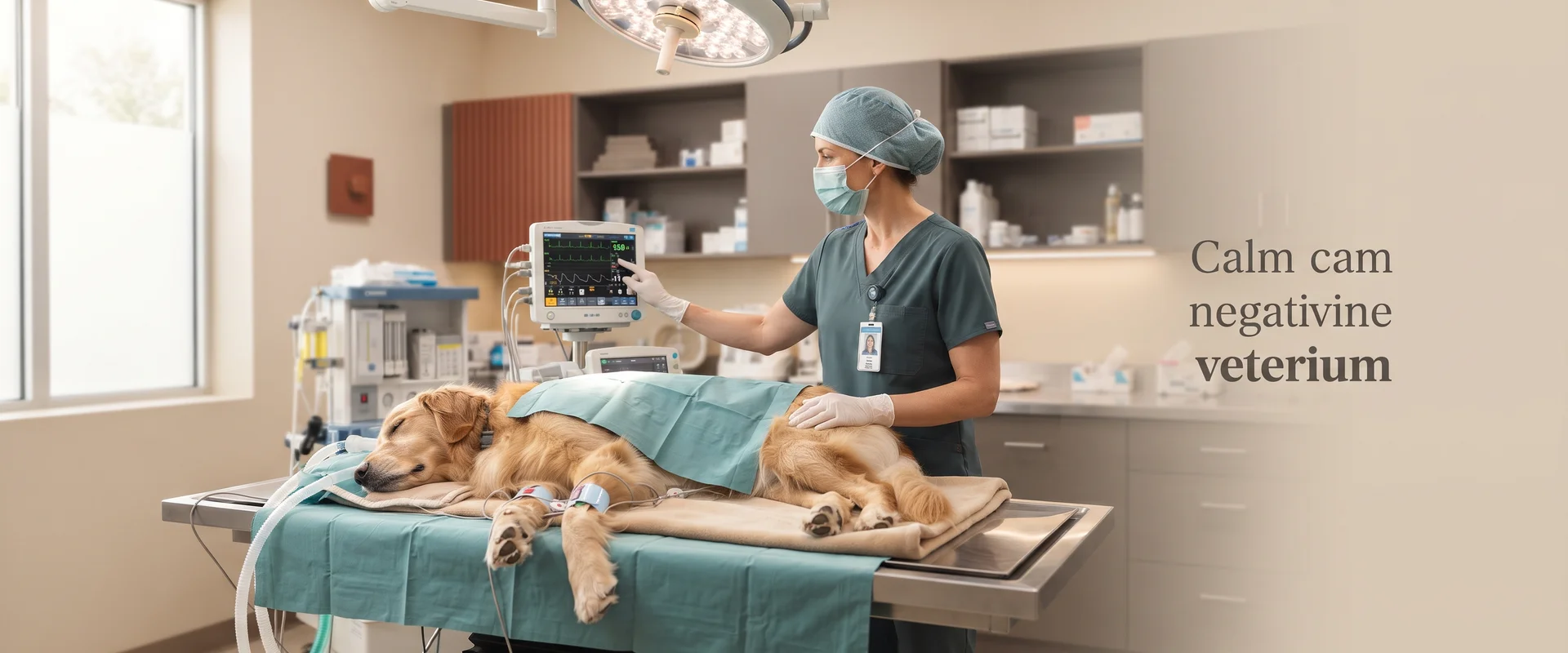
Urgent surgeries scheduled within days
Still have a question we have not answered?
Send us the details and we will come back with a straight answer, an honest price range, and the soonest safe date we can offer.
- 30-40% below referral hospitals
- Scheduled in days, not weeks
- Full monitoring on every case